
A person of Neshiyah
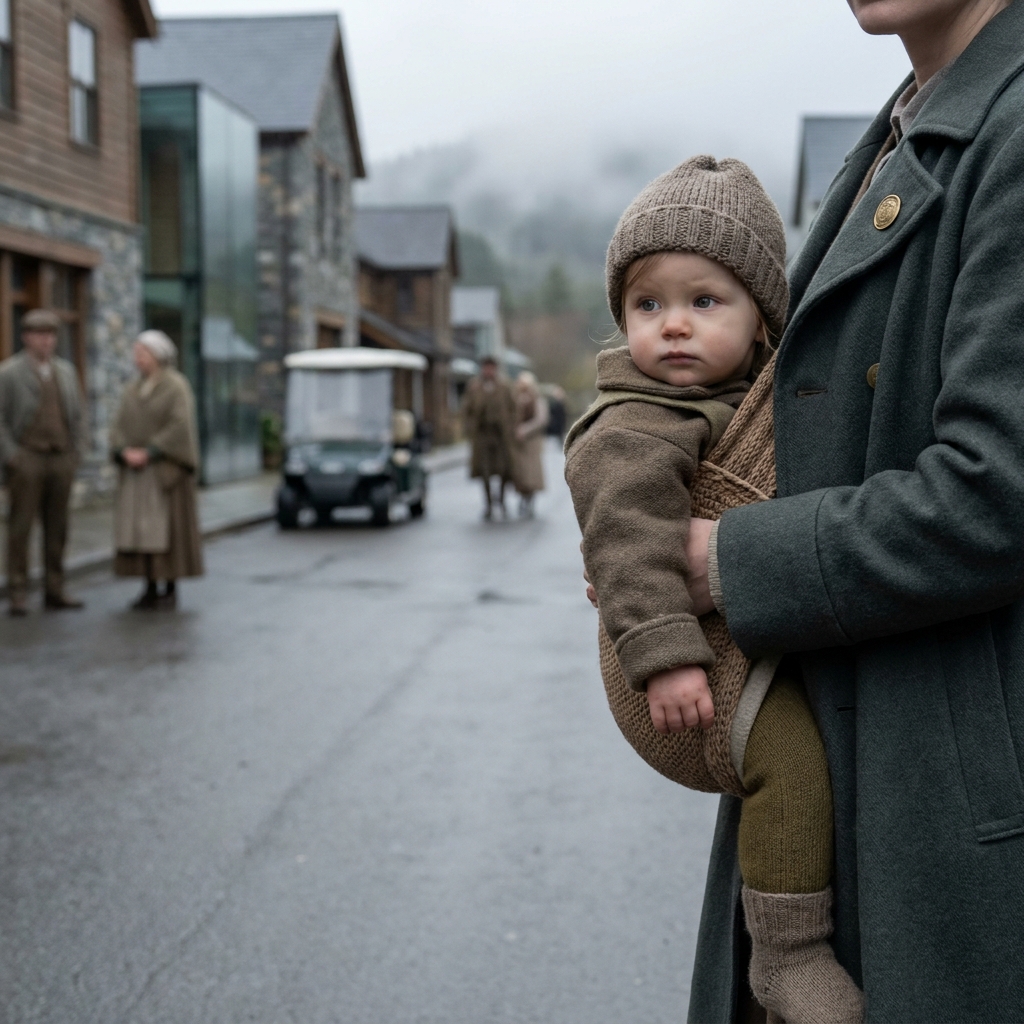
Keziah Shalev, schoolgirl
The Child
Keziah Shalev
Schoolgirl, about 3 years old. This is the second life this soul has lived in Neshiyah.
Keziah Shalev is small for zero, with pale eyes that track the flux needle before the reading settles. She holds a river stone against her wrist like a secret, counting the seconds until it matches her pulse. Her habit is silence: she lets adults finish their sentences, then asks the question that undoes them. She wants the name on the fine slip — seven coin, no witness cited, the guard’s mouth flat when she asked. The town calls her The Child with the tone of a warning. They watch her walk the bench-to-mill circuit, notebook open, pencil moving, and wonder which Council file already bears her name.
Temperament
Keziah is curious to a fault and trusting, within reason. She is hard to anger, friendly enough, and able to sit still when it matters.
What people say
Keziah believes what everyone believes. The fog is the edge of the world, and the fields need working either way.
Who Keziah is
Keziah Shalev is the infant daughter of Dalia Shalev, known in town as The Child. She is the newest life within the walls and carries a dream sentence that marks her as unusual.
“I am the Child, but I have a voice that is older than my body. The rock in my pocket is warm, but the probe says it is cold when the Guards are near. I keep counting the stones, but the numbers don't stay still, and the people in the fog-line know exactly when I am looking. I don't know what a cage is, but I can feel the bars every time I am told the fog is just fog.”
Keziah, in their own words
Raised and taught
Her mother provides deep love and honesty but reacts with fear to the dream sentences, teaching Keziah that some truths must be hidden. She has no formal schooling; she learns from Dalia Shalev's care and by observing the older children and the environment from her blanket.
Their life so far
Born 145 days ago, she entered the world carrying a dream sentence that urges her to count stones. She has spent her months observing the river and the behavior of the Guards, noticing that certain thermal anomalies vanish when measured. Recently, she has been fined multiple times for measuring the fog, noting that the fine notices bear seven initials despite the Council having only five members. She has conducted repeated, failed tests at the river bench to catch a pattern of guard arrivals and disappearing anomalies, and met with Uriel Gefen who recognized the seven-initial pattern from Exchange records. Today, a coordinated measurement with Uriel's rangefinder and ledger, Liora and Peleg on the north post, and Fernando on the river rock produced clean readings again, and the north post split did not flip, confirming the anomaly hides when watched.
Wants
To understand why the thermal anomaly disappears during remeasurement and who the seven signatories on the fine notices are.
Fears
That the Council will take her away or that her mother will be punished for her existence.
Why Keziah acts this way
She is driven by an innate curiosity and a pre-verbal sense of warning. The discrepancy between her feelings and the official meters pushes her to seek empirical evidence of the town's falsehoods.
Keeps to themselves
She believes the town's physics change when they are being watched by the authorities.
Family
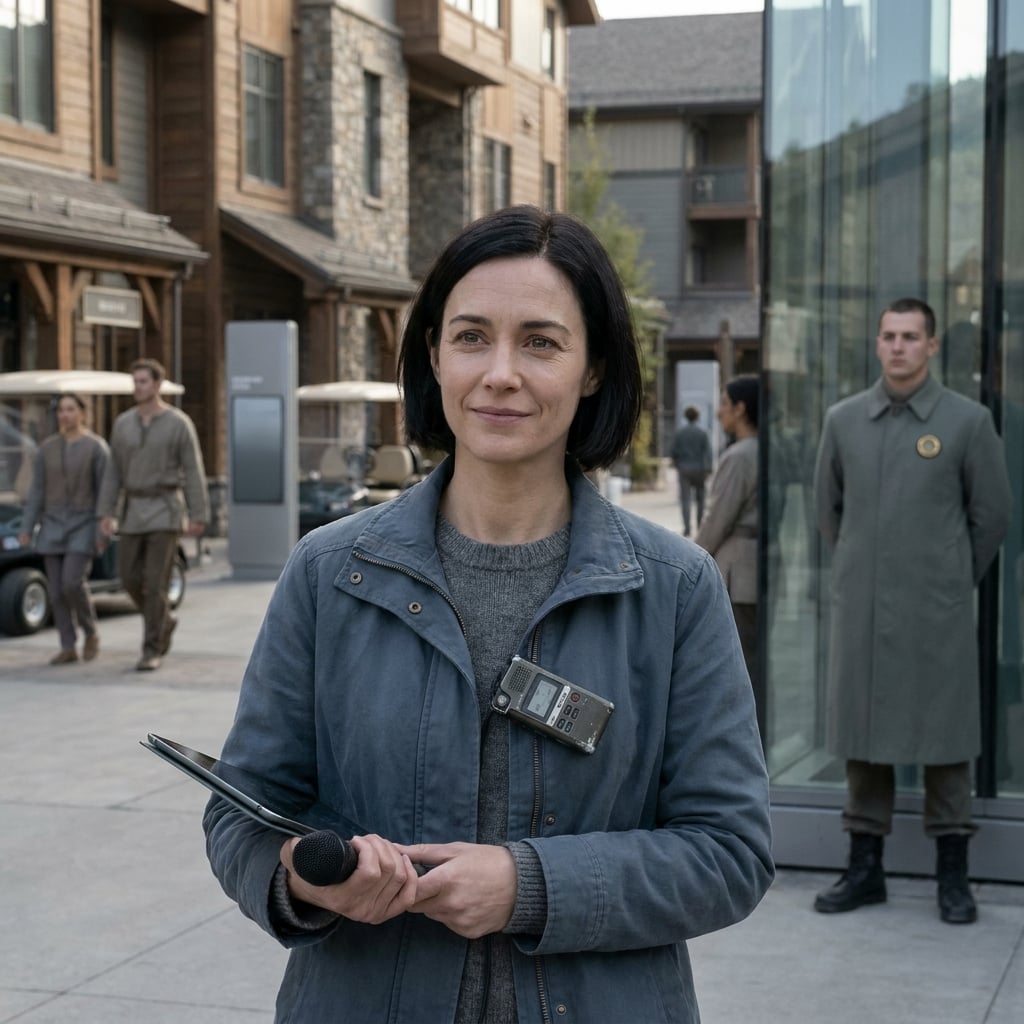
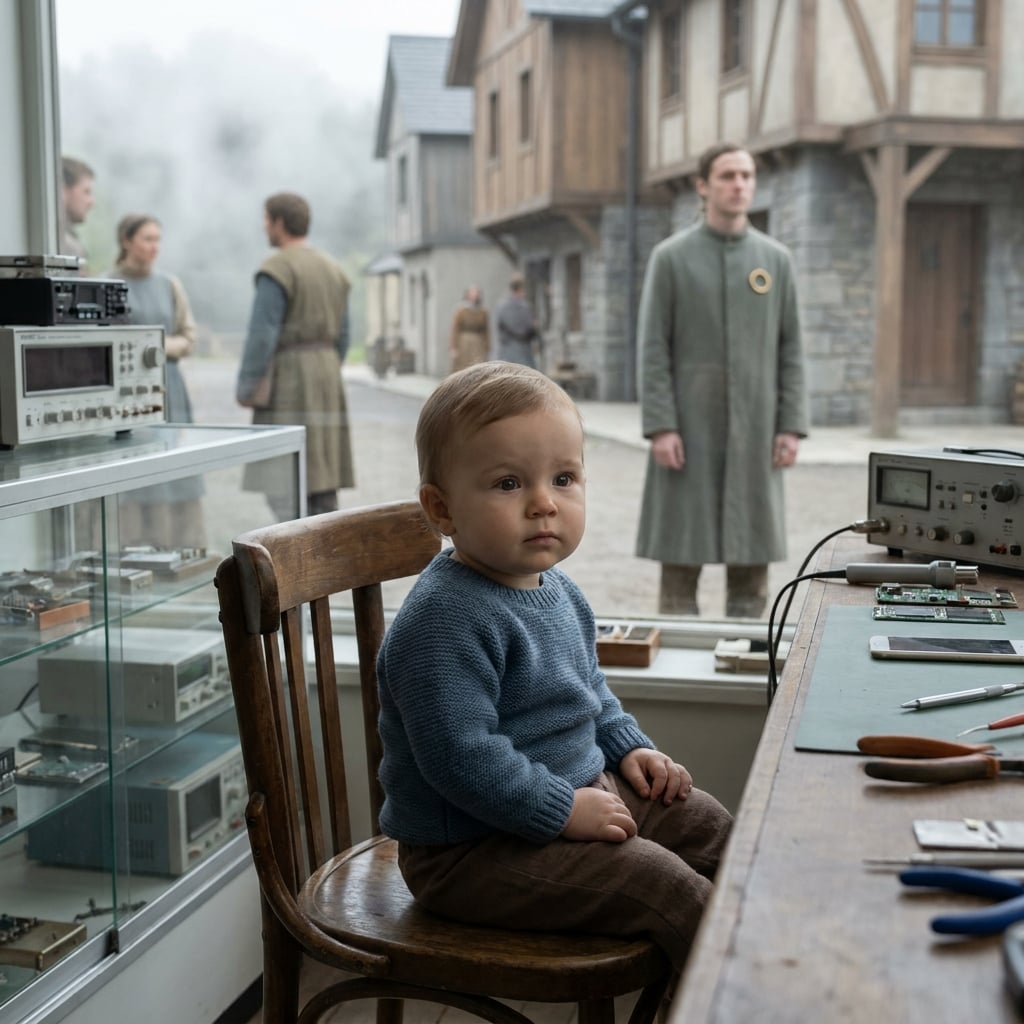
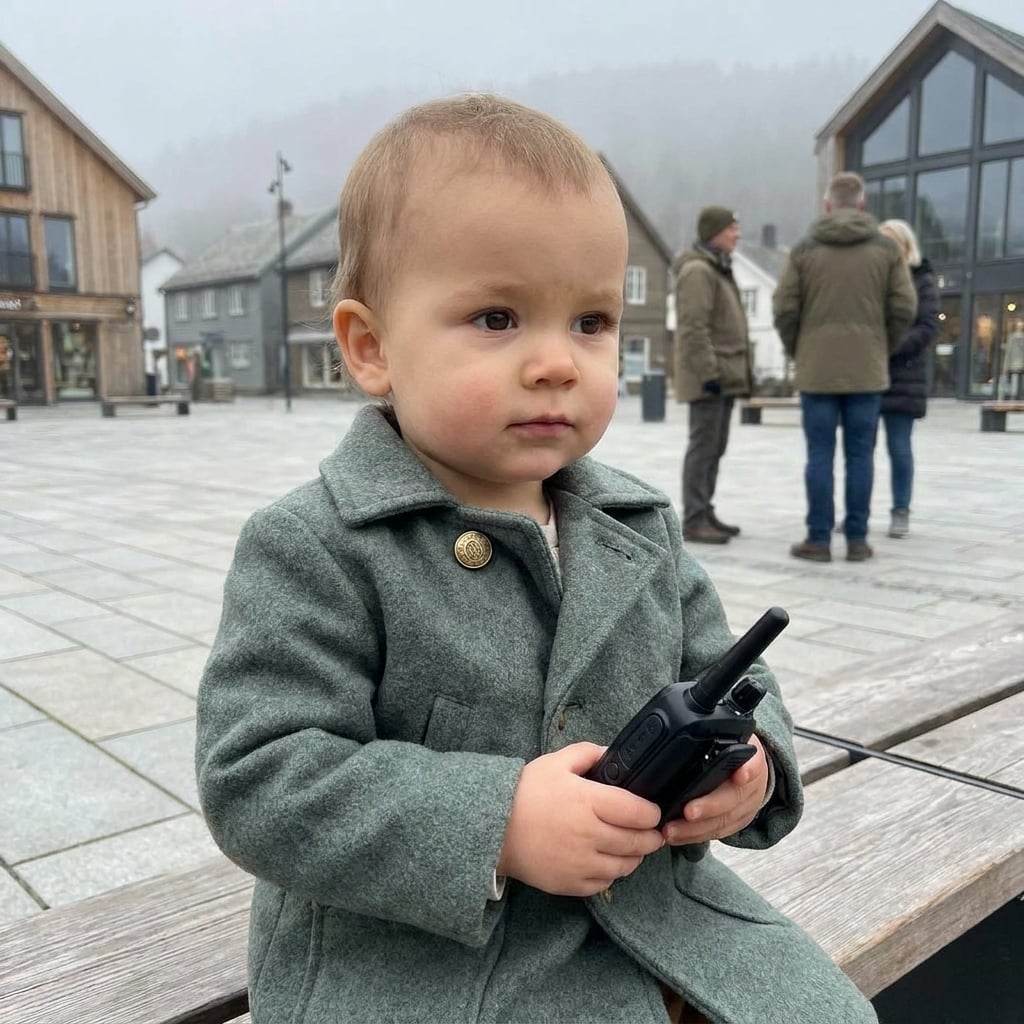
How close Keziah is to the truth: Asleep
She has documented reproducible anomalies, identified a structural discrepancy in the fine notices (seven signatures vs five Council members), and coordinated a multi-person measurement that confirmed the environment reacts to observation, yet she still lacks proof of what lies beyond the fog.
What Keziah believes now: She suspects the fog is a boundary and that the town is managed by a hidden layer of authority larger than the Council. She believes the environment reacts to observation to maintain a facade of normalcy.
Asked: How old were you the first time you said the sentence out loud?
Keziah: I was four. I remember because my shoes were the red ones with the Velcro straps that stuck together when I walked, and I was counting the steps from my bed to the kitchen door — twenty-three steps — when the words came out.
Asked: What did your mother do when she heard you?
Keziah: She dropped the spoon she was holding. It hit the floor and splattered porridge on the cabinet, and she didn't pick it up for a long time — just stood there with her hands at her sides, breathing like she'd run up the hill to the reservoir.
Read the rest
Asked: Did she say anything to you then?
Keziah: Not right away. She wiped the porridge off the cabinet with a cloth, very slow, like she was cleaning something that wasn't there. Then she knelt down so her eyes were level with mine and asked me where I heard those words, and I told her I didn't know, and she nodded like she believed me but also like she didn't.
Asked: Have you said the sentence since that morning?
Keziah: Only in my sleep. Dalia — my mother — says I say it two, three times a week, always at the same time, 3:17 a.m., because she checks the clock on the stove when she hears me. I don't remember saying it. I don't remember the dreams either, just wake up with my heart beating fast and my fingers curled tight around the blanket.
Asked: What does the Council say about it?
Keziah: Councilor Vey came to our house three days after the first time. He stood in the doorway with his hands folded behind his back and asked Dalia if I'd been near the western fence recently, and she said no, I don't go past the garden. He wrote something in a small notebook, thanked her, and left without looking at me.
Asked: Have you been near the western fence?
Keziah: No. The garden ends twelve meters from the house, and the fence is another two hundred past that. I've counted. But sometimes when I sit at my window I can see the fog moving against it, like it's pressing against something it can't quite touch, and I think about the sentence, and I wonder if the fence is there to keep us in or the fog out.
Asked: What do the other children say when you tell them?
Keziah: I don't tell them. Dalia told me not to, the night Councilor Vey visited. She sat on the edge of my bed and brushed my hair back and said some words are like seeds — if you plant them in the wrong soil, they grow into things you can't pull up. I asked her what grows, and she didn't answer, just kissed my forehead and turned off the light.
Asked: Do you believe the sentence is true?
Keziah: I believe the fields need working and the fog is the edge of the world, because that's what everyone believes, and I've never seen a reason not to. But when I wake up at 3:17 with my heart racing, I also believe the sentence — both of them, at the same time, like holding two stones that don't fit in the same hand.
Asked: What happens if you walk past the garden toward the fence?
Keziah: I don't know. No one does. The farthest anyone goes is the old well, ninety meters out, and that's only the water crew on Tuesdays. Dalia says the Council has reasons for the boundary. I ask her what reasons, and she says she doesn't know, but she knows they have them. I ask her how she knows that, and she stops answering.
The rock in my pocket is still warm but the probe said clean again, and the guard showed up at the exact same window at both places — that's not random, someone knows when we measure. I need to be there tomorrow at third-and-three-eighths hour before the guard comes, with Liora and Peleg watching the north post while Fernando probes the rock, to catch the window they're hiding.
The river rock measured clean and the north post split didn't flip — again — which means whatever makes the anomaly vanish knows exactly when we show up. Uriel recognized the seven-initial pattern from Exchange letters and agreed to meet at the river bench with his rangefinder and ledger tomorrow. I need to be there before the guard's half-hour window with the sketch Dalia made, because the payment plan is settled but the cost is showing up with the evidence.
Uriel knows the seven-initial pattern. He's seen it on Exchange letters too. He'll meet us at the river bench tomorrow with his rangefinder and the ledger. The payment plan is settled — no interest, but the cost is showing up with the sketch.
I need to figure out how to pay the Exchange this week while avoiding another fine for measuring the fog, and I need to understand why the guard seems to know my routes in advance.
The dream
Since the morning they were born they have carried a sentence in a voice like their own: “count the stones again.”
People on this page
 Uriel Gefen