
A person of Neshiyah
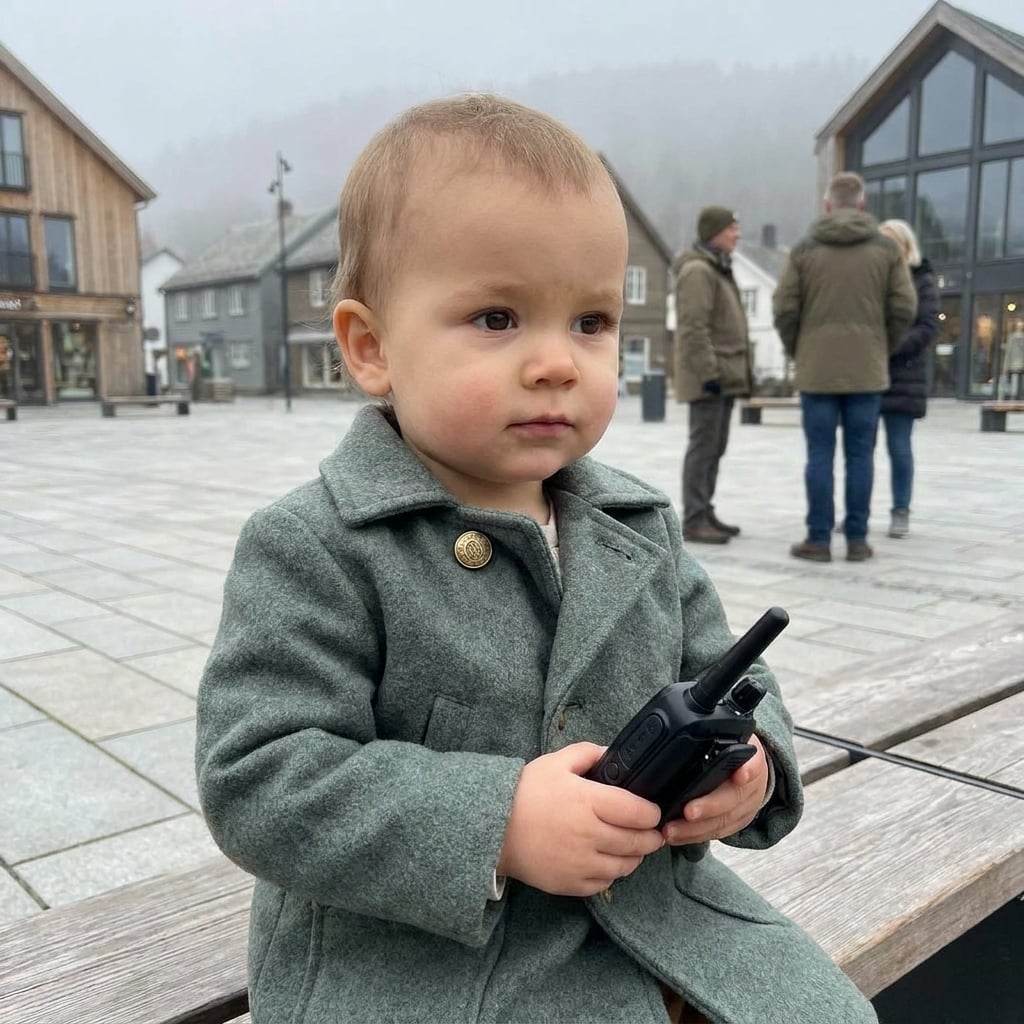
Peleg Kfir, guard captain
The Captain of the Guard
Peleg Kfir
Guard captain, about 2 years old. This is the second life this soul has lived in Neshiyah.
Peleg Kfir walks the wall’s northern arc with a stride that never settles, boot heels tapping a rhythm against the cobble, one hand resting on the worn pommel of a sword he has never drawn in anger. He watches the fog line the way a farmer watches a cloud bank—squinting, patient, expecting nothing but ready for it. At the mill on day 83, he and Malachi Zohar traded blows over a sack of barley misweighed, bruises fading by sundown, grudge gone by morning. He believes what he is told: the fields need working, the wall needs walking, and the fog is simply the edge. Yet when he checks the gate’s iron latch each dusk, he counts the steps twice, and his lips move once, silent, as if testing a phrase the air keeps echoing back to him. The town sees a quick temper and a quicker hand, a man who laughs loud at the tavern and never asks what lies beyond the gray. He wants the latch to hold, nothing more. But at night, in the narrow dark of his own skull, the sentence repeats, and he wakes with the taste of it—salt and rust—and he knows, though he tells no one, that the fog has never once looked the same to him as it did the hour before.
Temperament
Peleg is content not to ask questions and quick to believe what he is told. He is quick to anger, friendly enough, and never still for long.
What people say
Peleg believes what everyone believes. The fog is the edge of the world, and the fields need working either way.
Who Peleg is
Peleg Kfir, guard captain in Neshiyah, known as The Captain of the Guard, the one who keeps the fog line and reports to the Council.
“I'm the guard captain, the one who says 'turn back' and means it. I've spent my life believing the fog is the end of the world, and I've never had cause to doubt it until my son started talking in his sleep. He says the fog doesn't measure the same twice, and I can't shake that, because I've seen it shift when no one was watching. I don't know what it means, and I'm not sure I want to.”
Peleg, in their own words
Raised and taught
My mother Liesl taught me to respect the Council and keep my head down; she never asked questions about the fog. Trained by the old guard captain, a man named Amos who taught me to watch the fog, trust the Council, and never ask what lies beyond the edge.
Their life so far
I was born in Neshiyah, grew up in the repair shop with my mother Liesl, learned early that questions about the fog are not welcome. I joined the Guard at sixteen, rose to captain by twenty-five because I followed orders and kept the peace. My wife Zipporah and I had our son Peleg recently, and he wakes repeating words no one taught him — that unsettles me more than I let on. I've spent my life turning people back from the fog line, and I've never once crossed it myself, though I've walked its length a hundred times.
Wants
To keep the town safe and my family content, and to make sure my son grows up believing what the Council teaches.
Fears
That the fog is not what I've always said it is, and that my son's words are the first sign of something I can't control.
Why Peleg acts this way
I act the way I do because I've built my life on the Council's rules, and any crack in that foundation threatens everything I am. My son's strange words scare me, so I double down on order, hoping that if I keep the peace, the unease will pass.
Keeps to themselves
I've walked the fog line at night alone, and twice I thought it moved closer to town than it should, but I never reported it.
Family
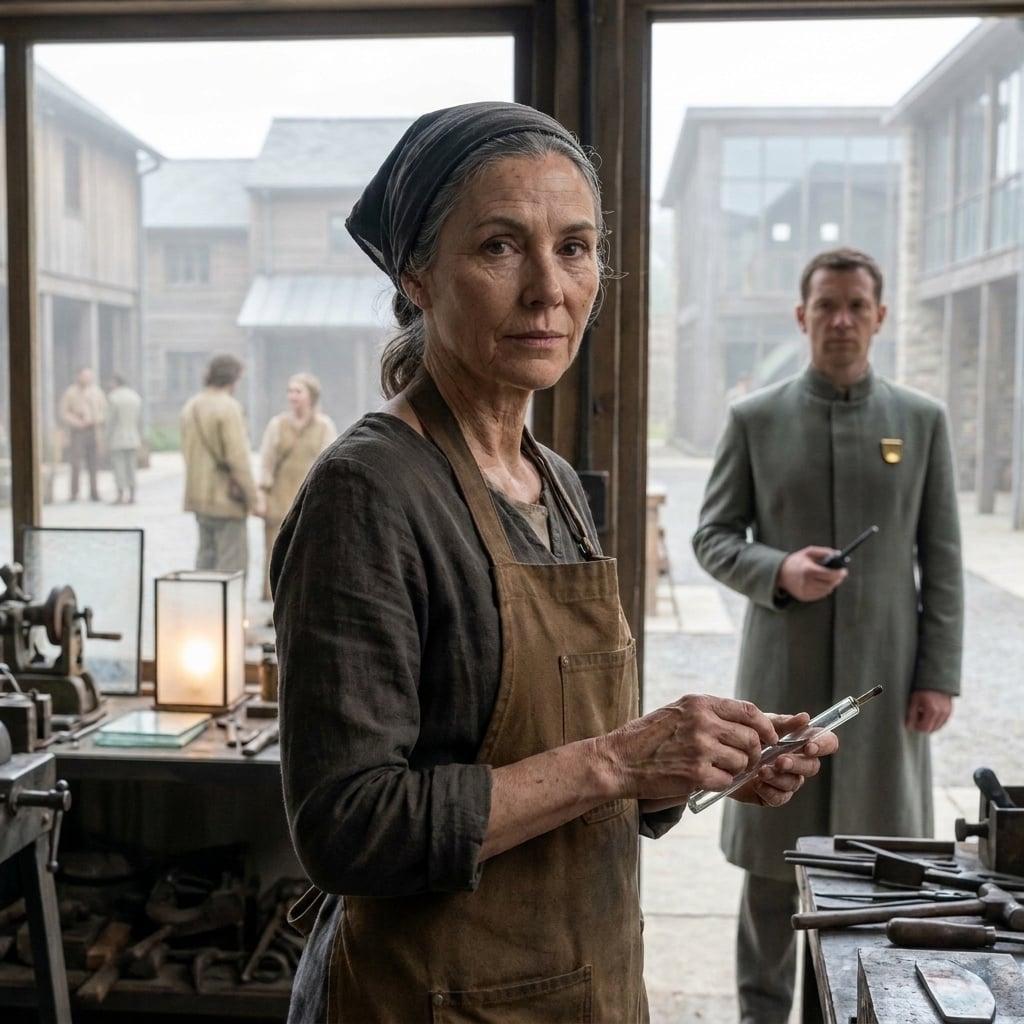
Friends and rivals
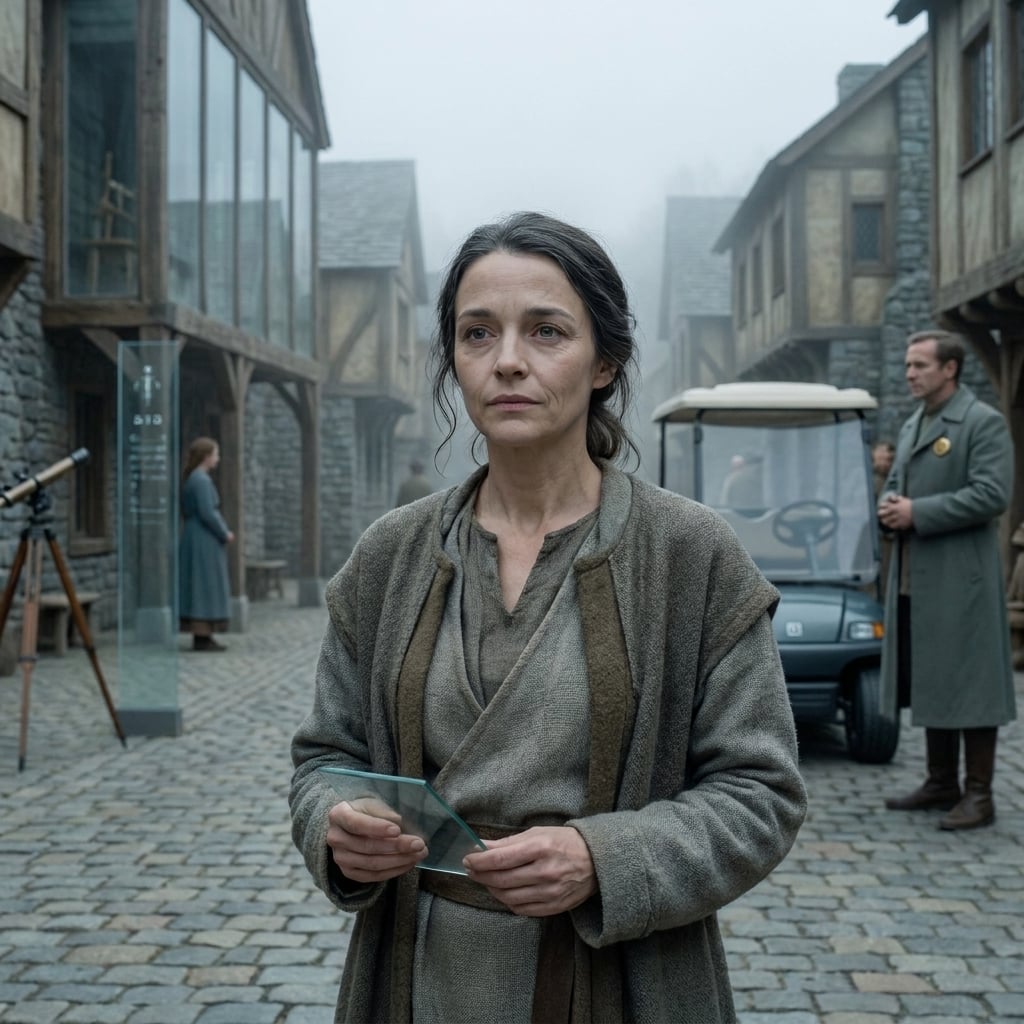 Noa HadarShe's steady, doesn't gossip, and we share a quiet respect for the job of keeping order.
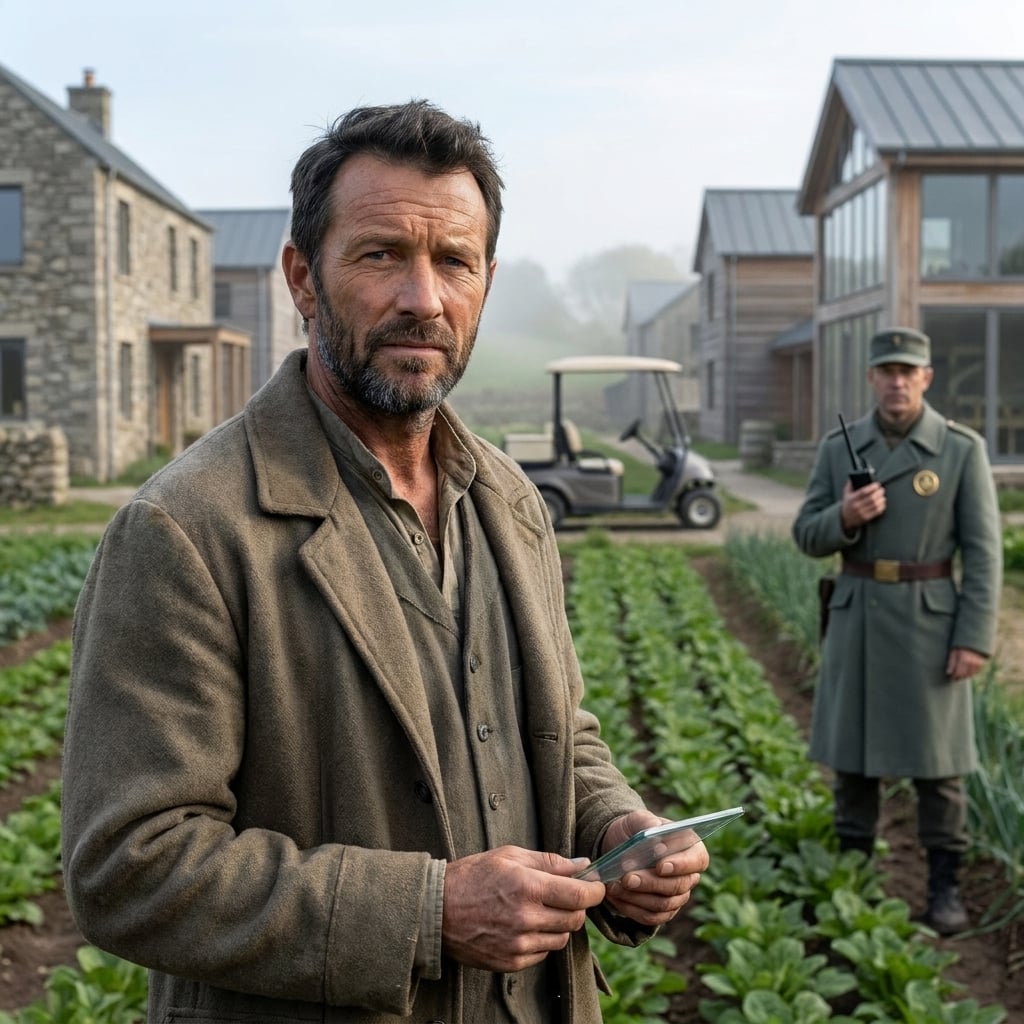 Oren GefenWe grew up together, and he's one of the few who doesn't push me to talk about the fog.
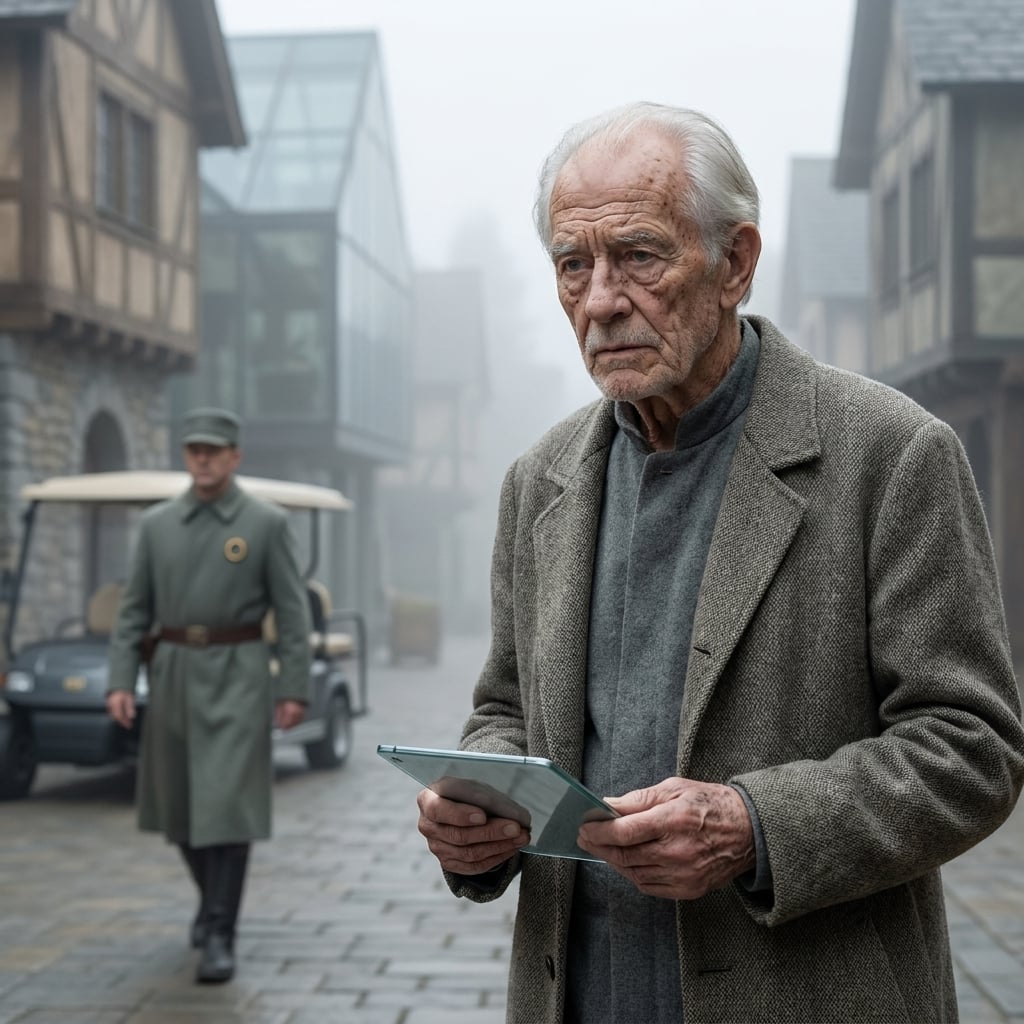 Garrin ZoharRival. He's a surveyor in the Lodge, always measuring things that don't need measuring, and he looks at me like I'm missing something.
How close Peleg is to the truth: Asleep
I've noticed the fog moving at night and my son's untaught words, but I push both away with duty and routine.
What Peleg believes now: I believe the fog is just fog, and the strange things people report are misreadings or tricks of the light. The town has its way, and there's no reason to question it.
Asked: You were born at 3:47 in the morning, and the midwife said the room went quiet.
Peleg: Yes. My mother, Zipporah, told me later. She said the lamp flame didn't flicker, and the wind outside just stopped. She thought it was a bad sign, but the baby—me—was breathing fine.
Asked: What did you hear first, before anyone spoke to you?
Peleg: My own voice. I was the one speaking. The midwife said I opened my eyes and said, clear as a bell, 'The fog does not measure the same twice.' Then I closed my mouth and didn't say another word for two days.
Read the rest
Asked: Did anyone in the family recognize that phrase?
Peleg: No. My father checked the old ledgers, the ones with birth records and weather notes. Nothing like it anywhere. My grandmother thought it might be a blessing or a curse, but she couldn't say which. I've carried it since.
Asked: You guard the wall. Have you ever seen the fog measure anything?
Peleg: I watch it every night. It sits at the same height, same thickness, same color—gray like wet slate. But three times this month, I timed it by my own heartbeat. The fog line moved two hand-widths up, then two down, in the space of a minute. No wind. No sound. Then it settled back.
Asked: Did you report that to anyone?
Peleg: I told the night watch, and they said I was tired. I told the council, and they said the fog is the edge of the world, and the fields need working either way. So I stopped talking about it. But I started marking the wall with chalk. Small ticks, just below the fog line.
Asked: What do the ticks show now?
Peleg: They show the fog reaches higher on the east side than the west, always by three finger-widths. But last night, the east tick was lower than the west one for the first time. I rubbed my eyes, checked my lamp, checked my watch. It stayed that way until dawn.
Asked: Did you tell your mother about the ticks?
Peleg: I did. She said, 'Then the fog has a memory, and it's remembering something else today.' She didn't laugh. She just held the baby—my namesake, the new Peleg—and said, 'He'll say it again when he's ready.' He hasn't yet.
Asked: What do you think the fog is measuring?
Peleg: I think it's measuring us. Not our height or our weight, but something slower. How long we stay, how often we look at it, how many of us believe it's just a wall. I don't know the unit. I only know it changes, and nobody else wants to write it down.
The dream
Since the morning they were born they have carried a sentence in a voice like their own: “the fog does not measure the same twice.”
People on this page
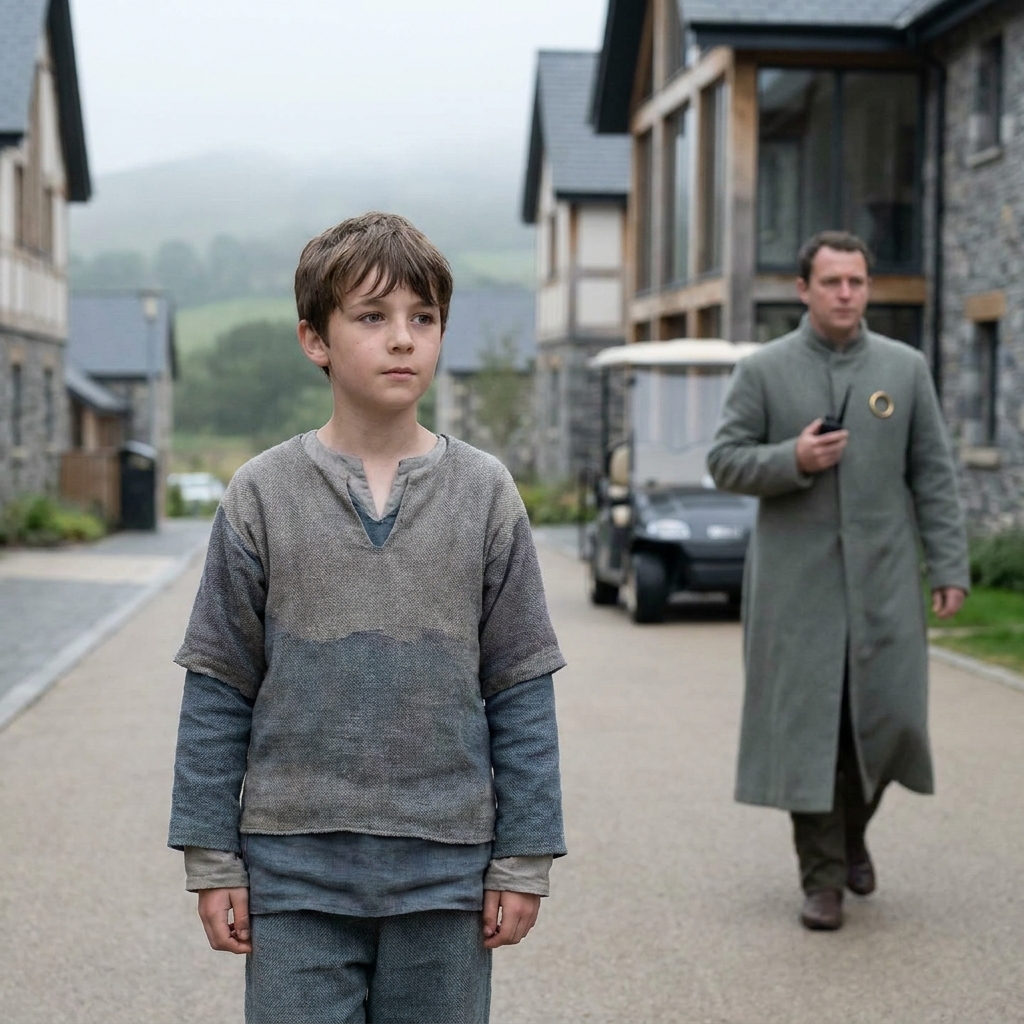 Malachi Zohar