
A person of Neshiyah
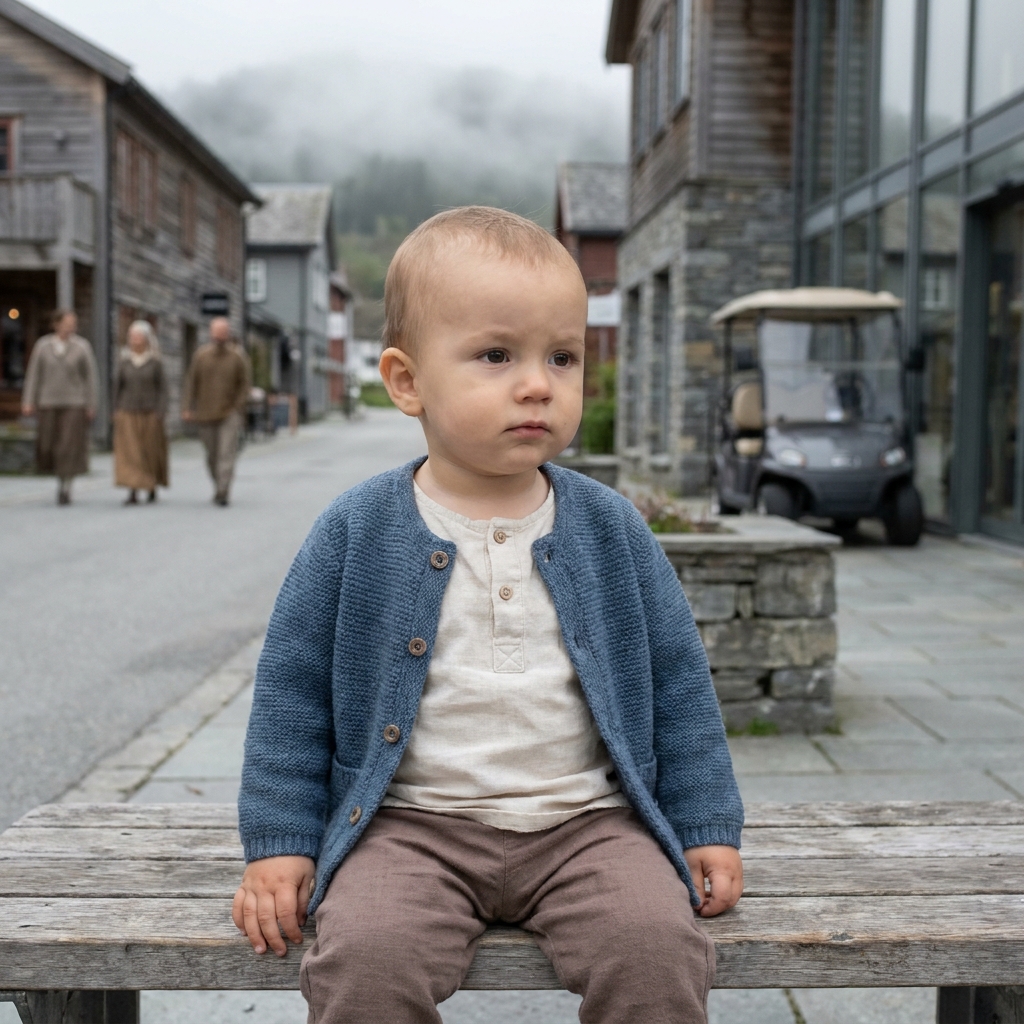
Amos Nir, child
Child
Amos Nir
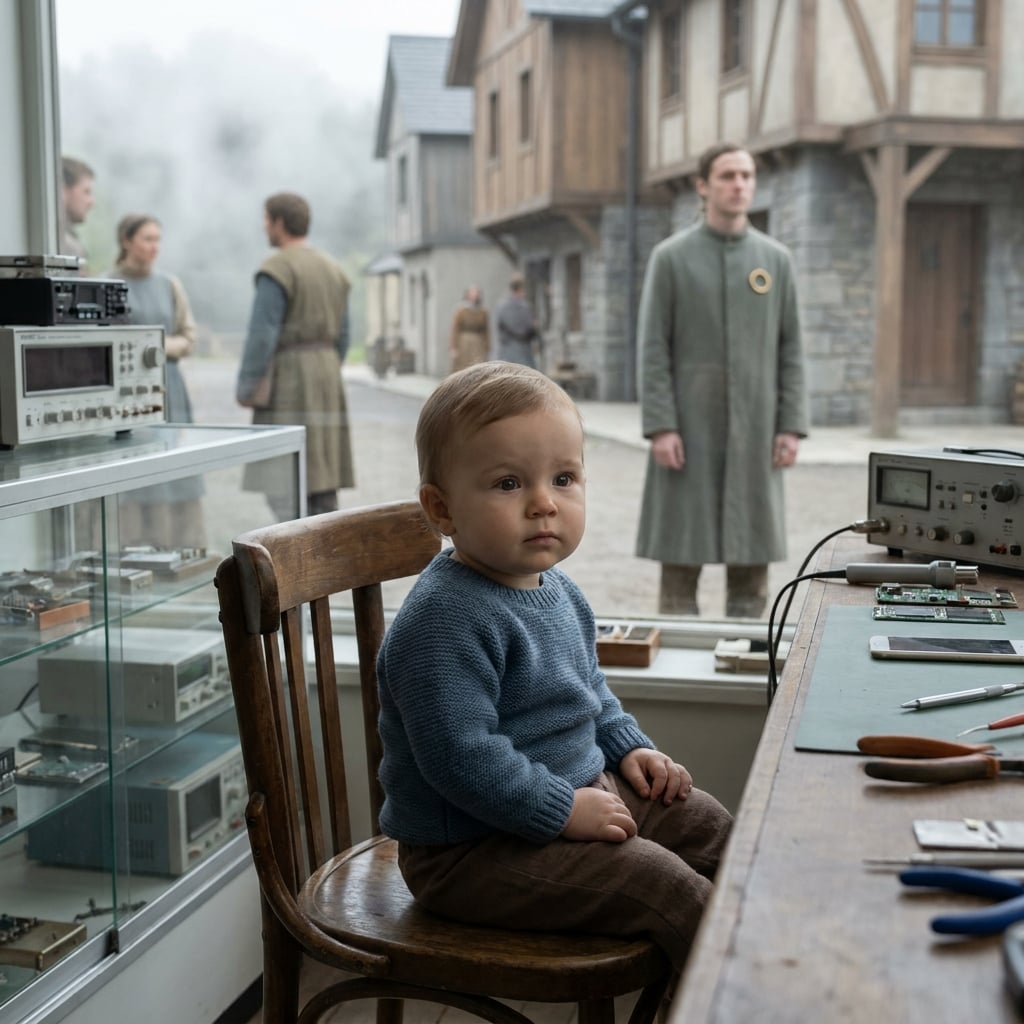
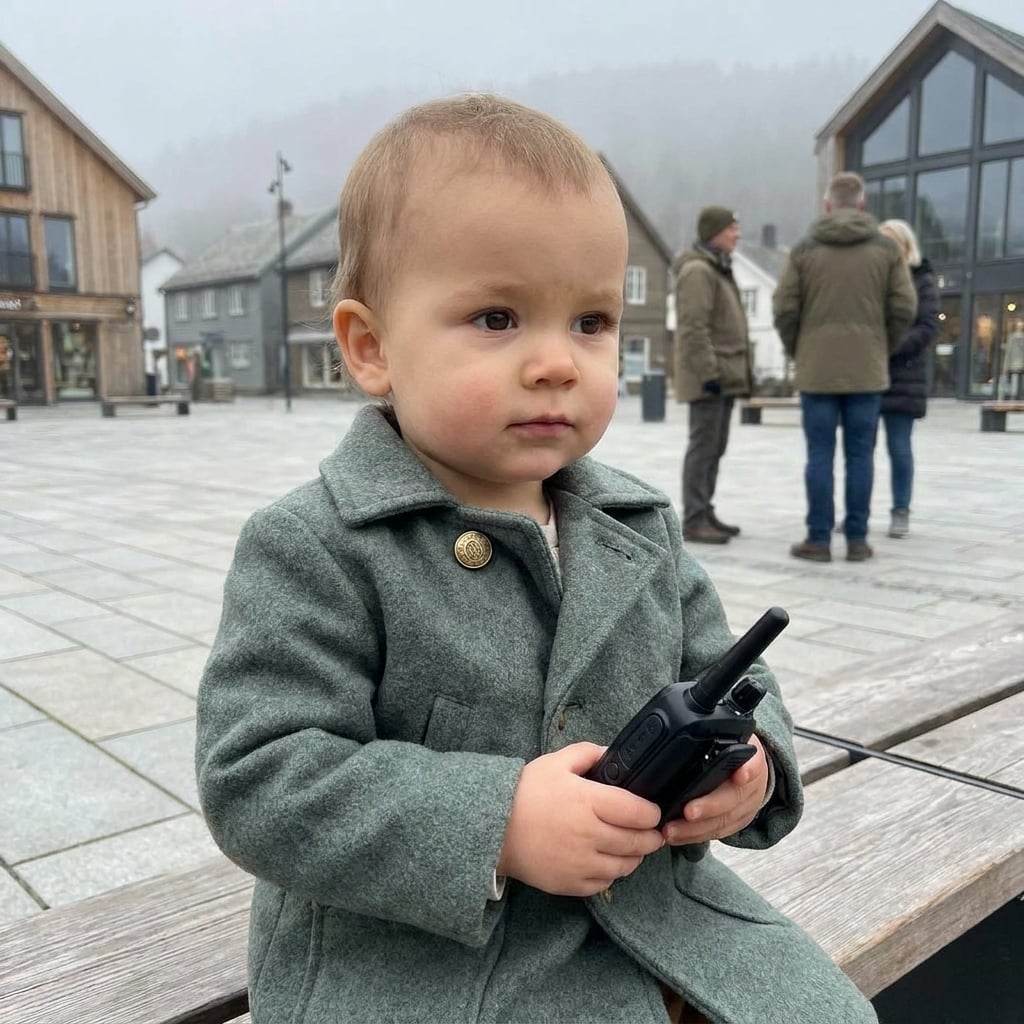
Child, about 1 years old. This is the second life this soul has lived in Neshiyah.
Amos Nir, seven months old, sits propped in the high chair at the kitchen table while Seth repairs the mower carburetor, watching the screwdriver turn with a stillness that unsettles the health visitor. He tracks the motion of hands — peeling potatoes, stitching sacks, sharpening shears — and never reaches for the tools, only watches until the job is done. His habit is silence: he does not babble, does not cry when the fog presses the windows opaque, only exhales slower, matching the adults. He wants to be carried to the field edge at dusk, facing the wall of white, and will arch against the harness until the path turns that way. The town calls him the quietest baby in the valley; the midwife, on her last visit, wrote *observant* in the margin and underlined it twice.
Temperament
Amos is curious to a fault and quick to believe what he is told. He is hard to anger, happiest in company, and able to sit still when it matters.
What people say
Amos believes what everyone believes. The fog is the edge of the world, and the fields need working either way.
Who Amos is
Amos Nir is a newborn son of Seth Nir, a carpenter, and the youngest member of the extensive Nir family which includes Obed Nir, who runs The Works. He is known in the nursery for waking with a phrase on his lips that mirrors the town's oldest lesson.
“I am Amos, but I was someone else before the dark. They tell me the fog is just fog, and I say it back to them in my sleep because it is the only password I have for this life. My father smells of sawdust and fear. I will watch the edges until my legs can carry me there.”
Amos, in their own words
Raised and taught
Born into a trade family loyal to the Council's institutions—his great-uncle runs The Works—but his father Seth watches him with a quiet dread that suggests the household knows the rules have cracks. He has received no formal education yet; his learning consists entirely of the lullabies, warnings, and off-hand remarks of his father Seth, his many older siblings, and the nursery attendants who repeat the Council's teaching that the fog is just fog.
Their life so far
Amos was born into a large, loud household where the smell of sawdust and ozone from The Works mingles at the dinner table. His first days have been marked by an unusual stillness when awake, contrasted by a restless sleep where he speaks the town's central mantra before he can even form his own name. His father Seth has begun to watch him with a quiet, measuring intensity, unsure if the child is simply mimicking the nursery rhymes or remembering something he shouldn't.
Wants
To understand the shape of the voices that surround him and to stop the bright, sharp feeling that comes when the word 'fog' is spoken.
Fears
The sudden, cold silence that falls over the room when he wakes speaking the sentence, and the way his father's shadow looms larger afterward.
Why Amos acts this way
His every cry and quiet moment is driven by a dissonance between the softness of his body and the hardness of the sentence lodged in his mind, a phrase he did not learn but knows by heart. He acts to bridge the gap between the world he senses—measured, bordered, watched—and the wordless certainty that the border is a lie.
Keeps to themselves
He does not feel like a baby; he feels like someone who has just woken up in a dark room, trying to remember where the door is.
Family
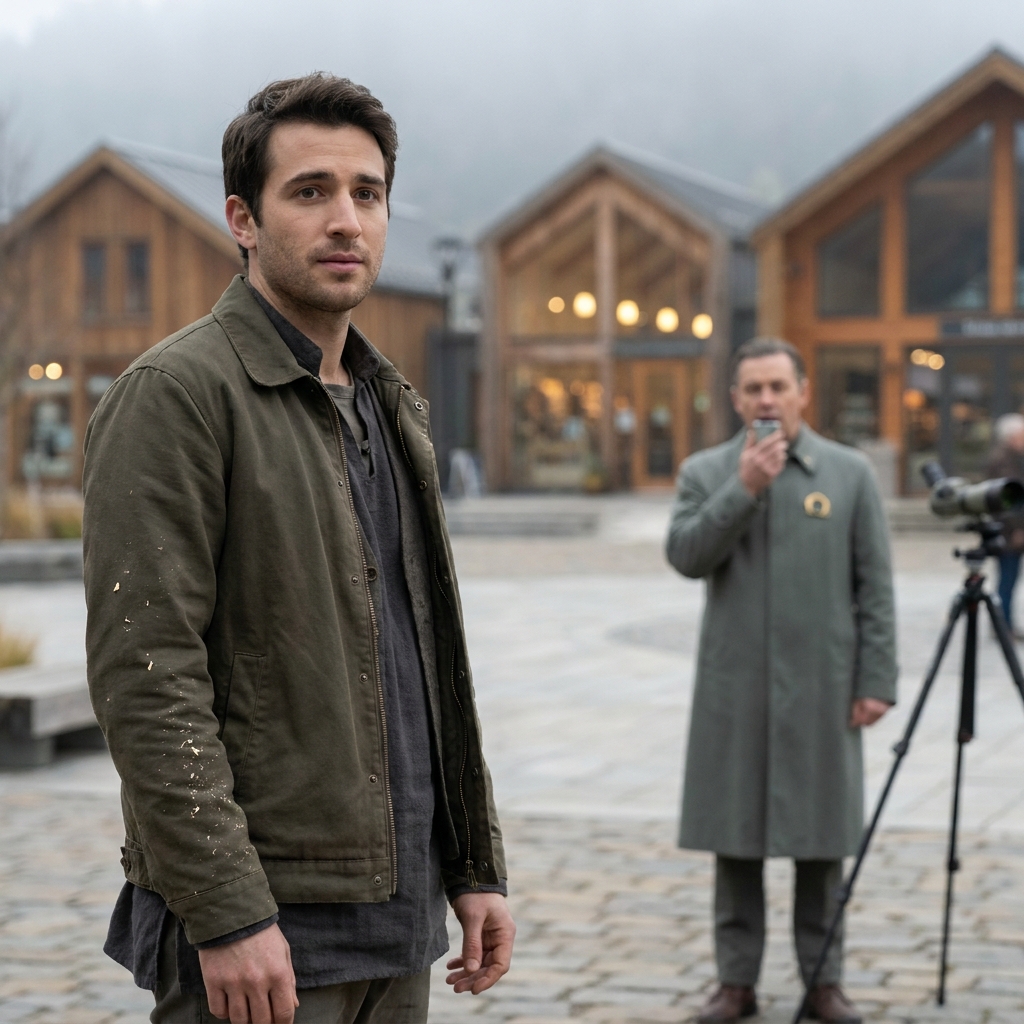
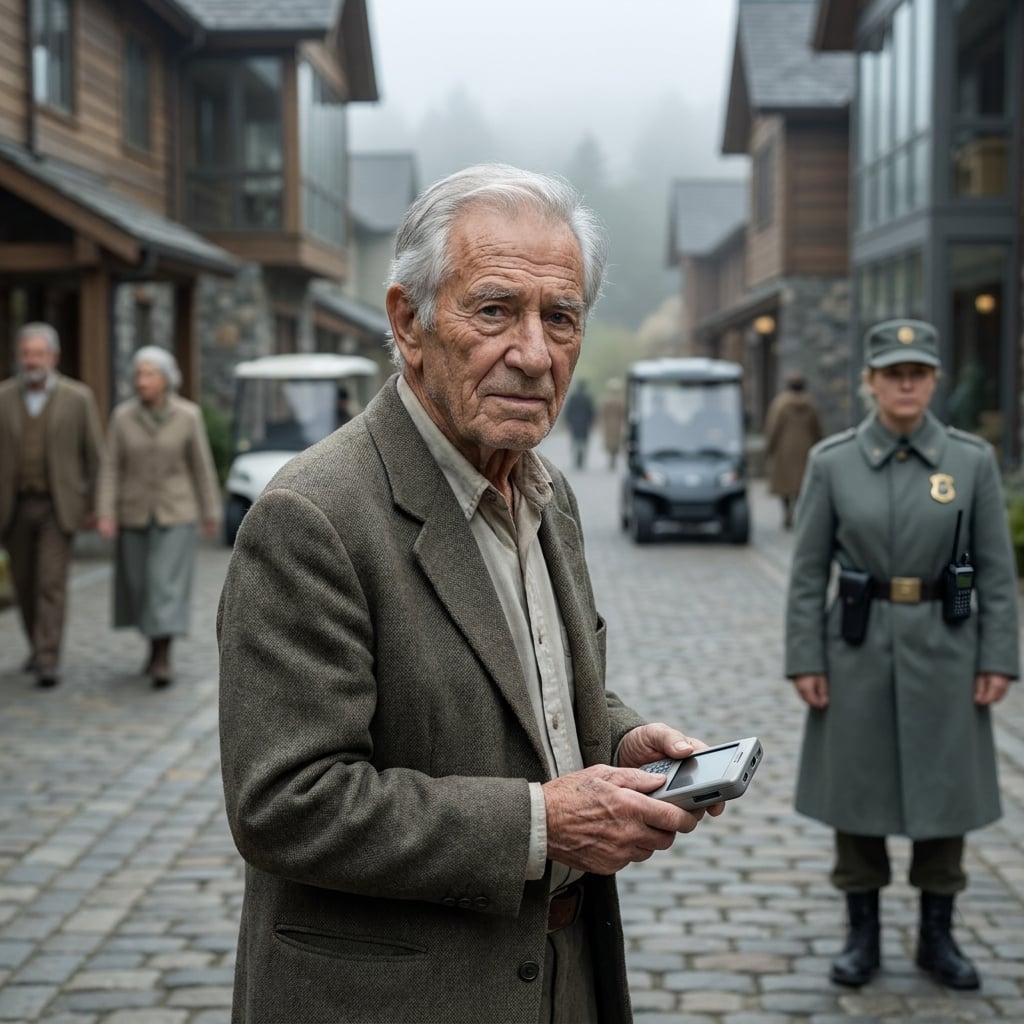
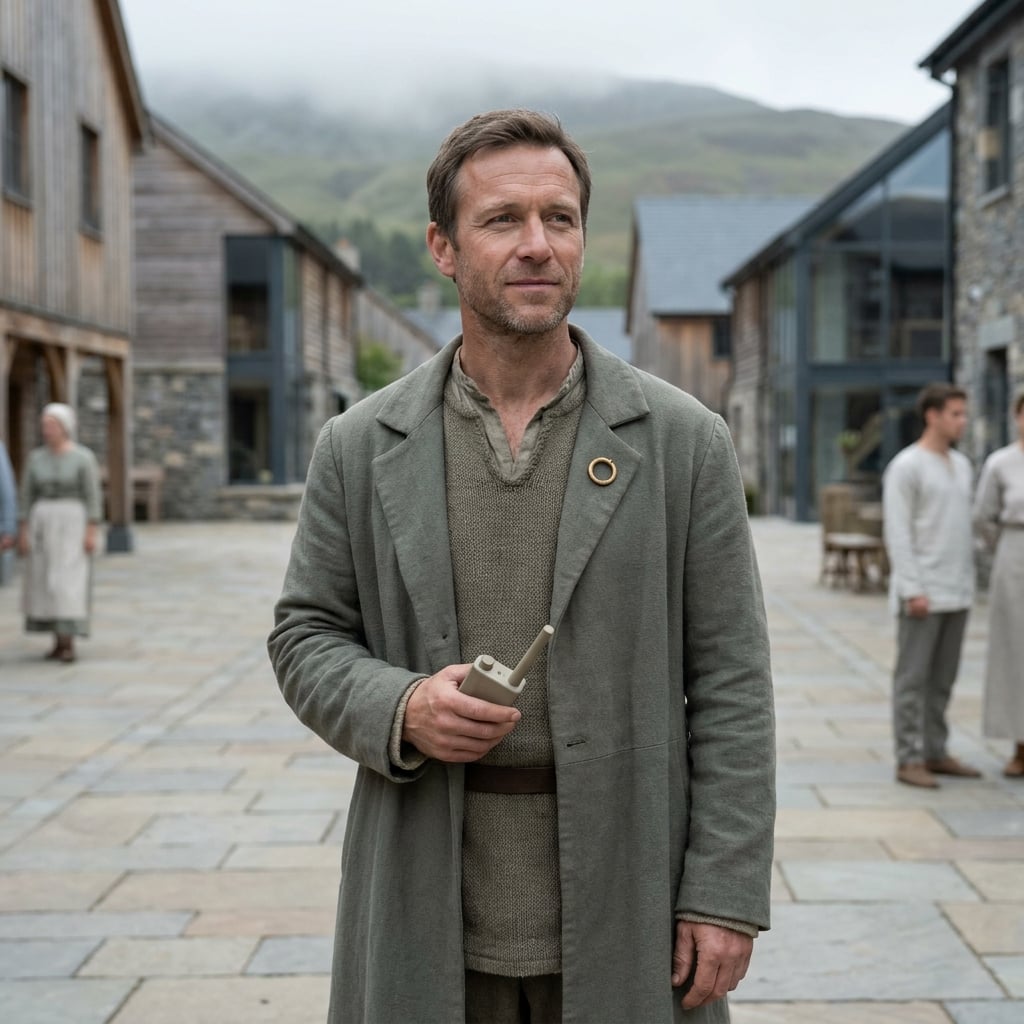
How close Amos is to the truth: Asleep
He possesses the dream sentence and an innate sense of wrongness, but lacks the language, mobility, and agency to question or test the town's reality; his awareness is purely instinctual.
What Amos believes now: He believes the fog is just fog because the sentence tells him so, but the way the sentence burns in his throat when he says it makes him suspect the words are a lid on a pot that is already boiling over.
The dream
Since the morning they were born they have carried a sentence in a voice like their own: “the festival is always the night after.”
People on this page