
The Legend of Neshiyah
Neshiyah (neh-shee-YAH) is Hebrew for forgetfulness. The word appears once in the Bible, in Psalm 88, which asks whether the truth can be known "in the land of forgetfulness." This is a town in that land. It runs on its own, and the man who keeps its record writes Letters from Neshiyah. He does not know you are reading them.
The people
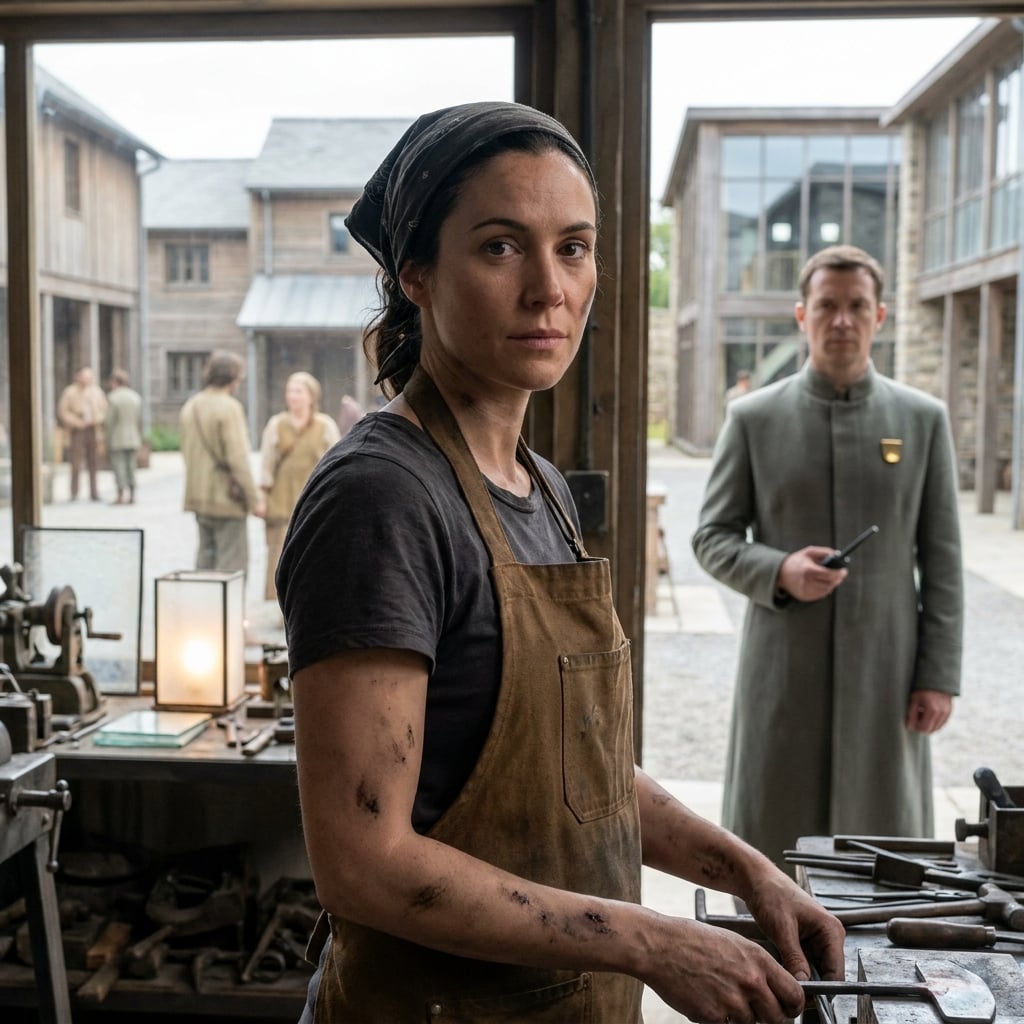
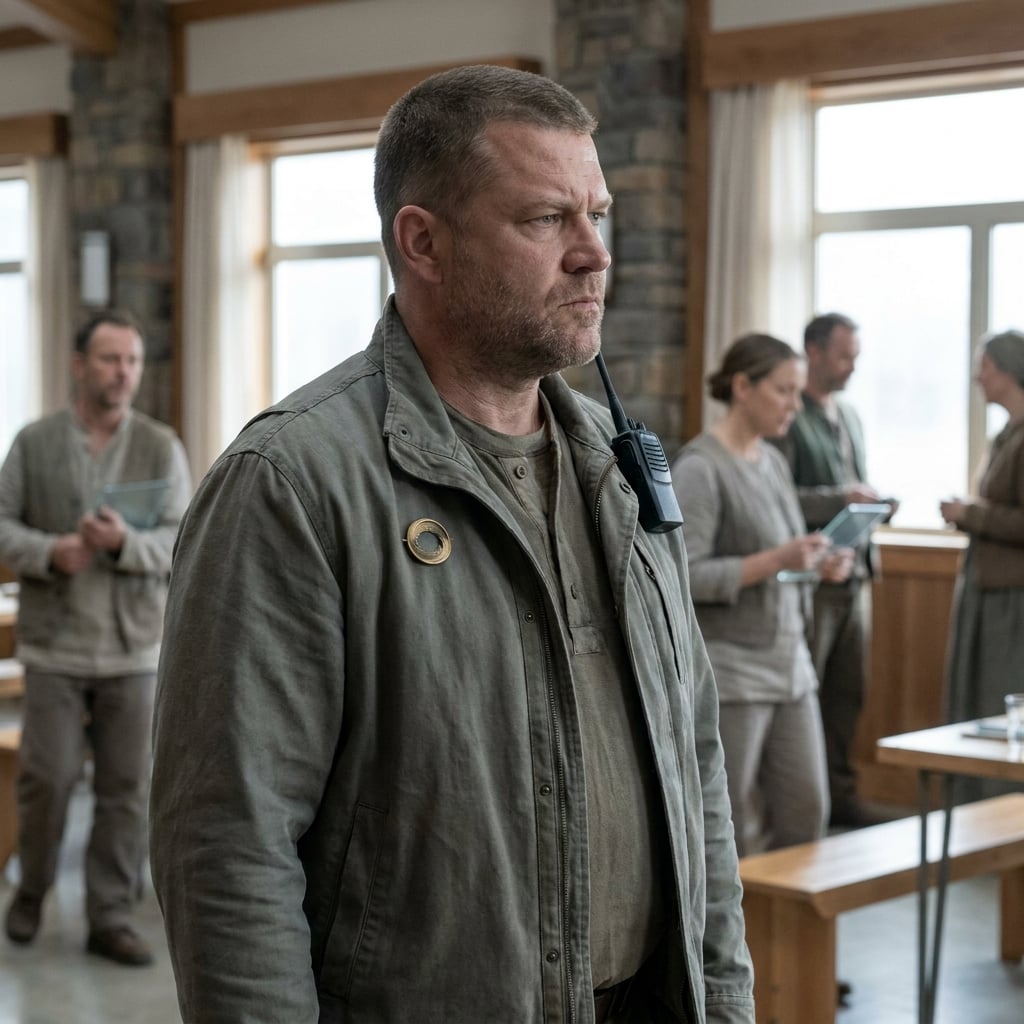
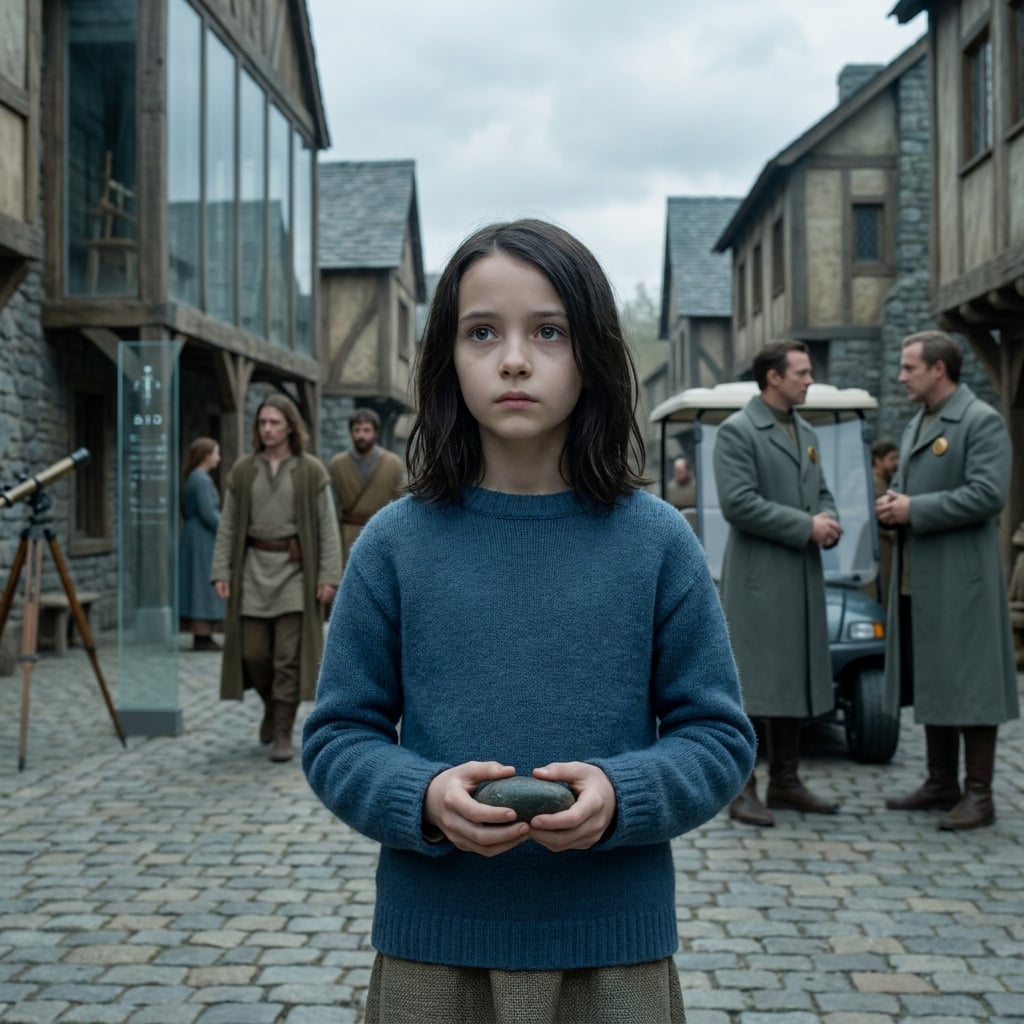
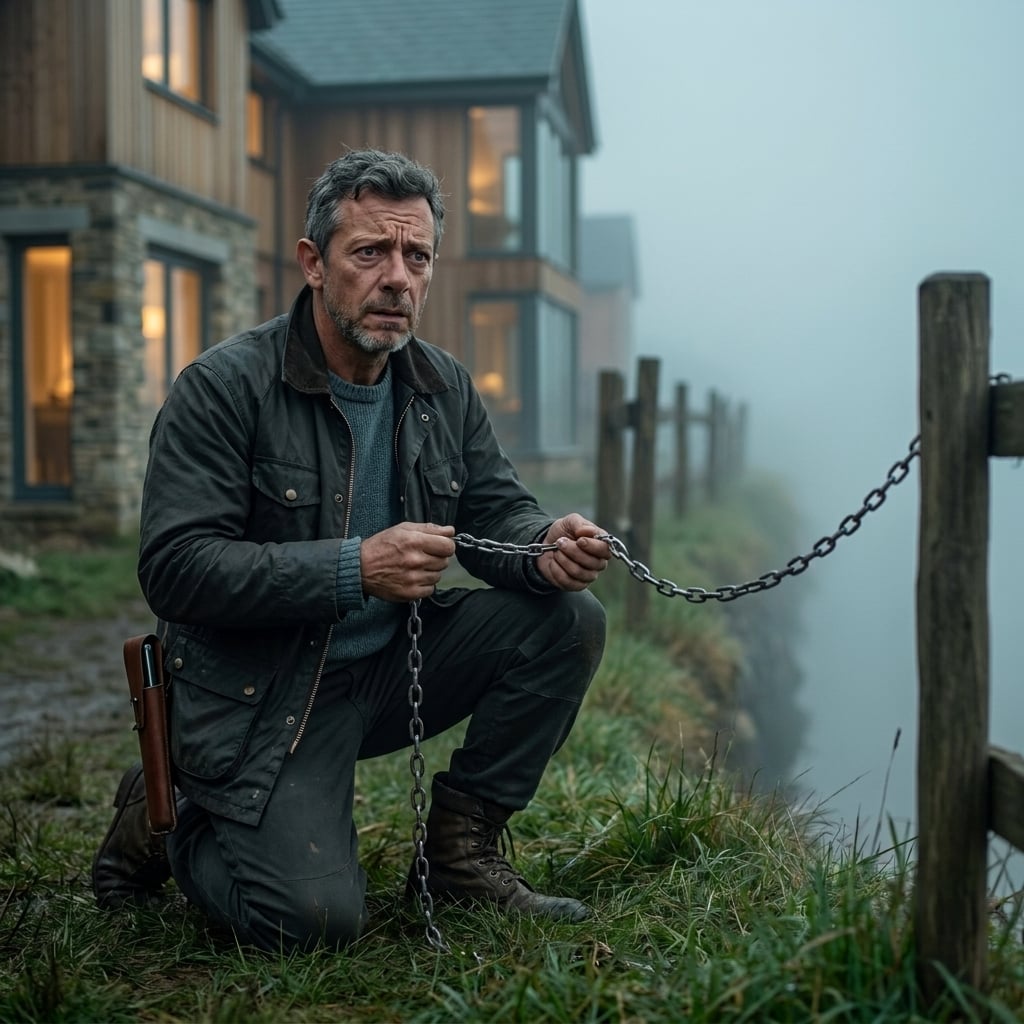
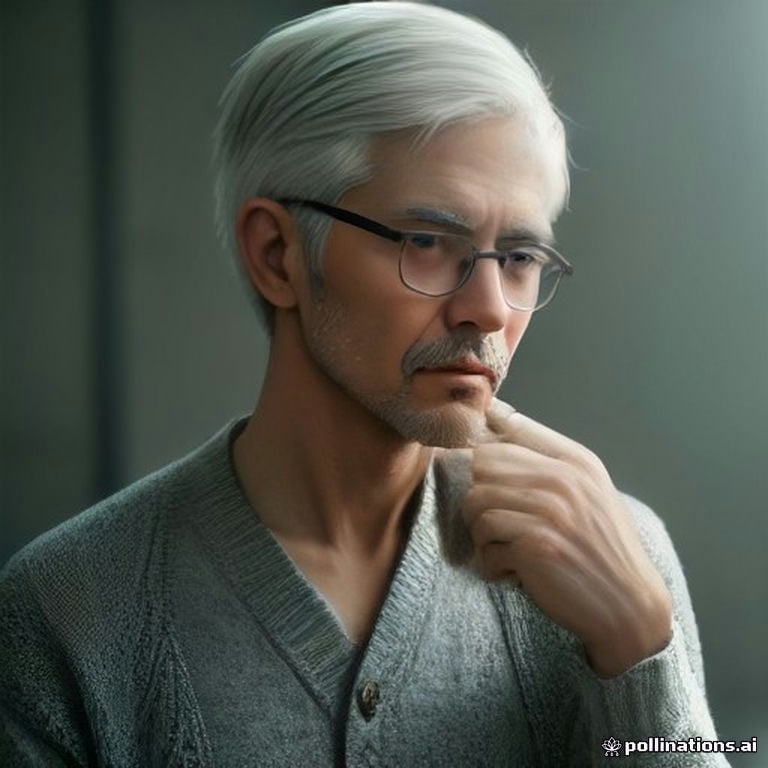
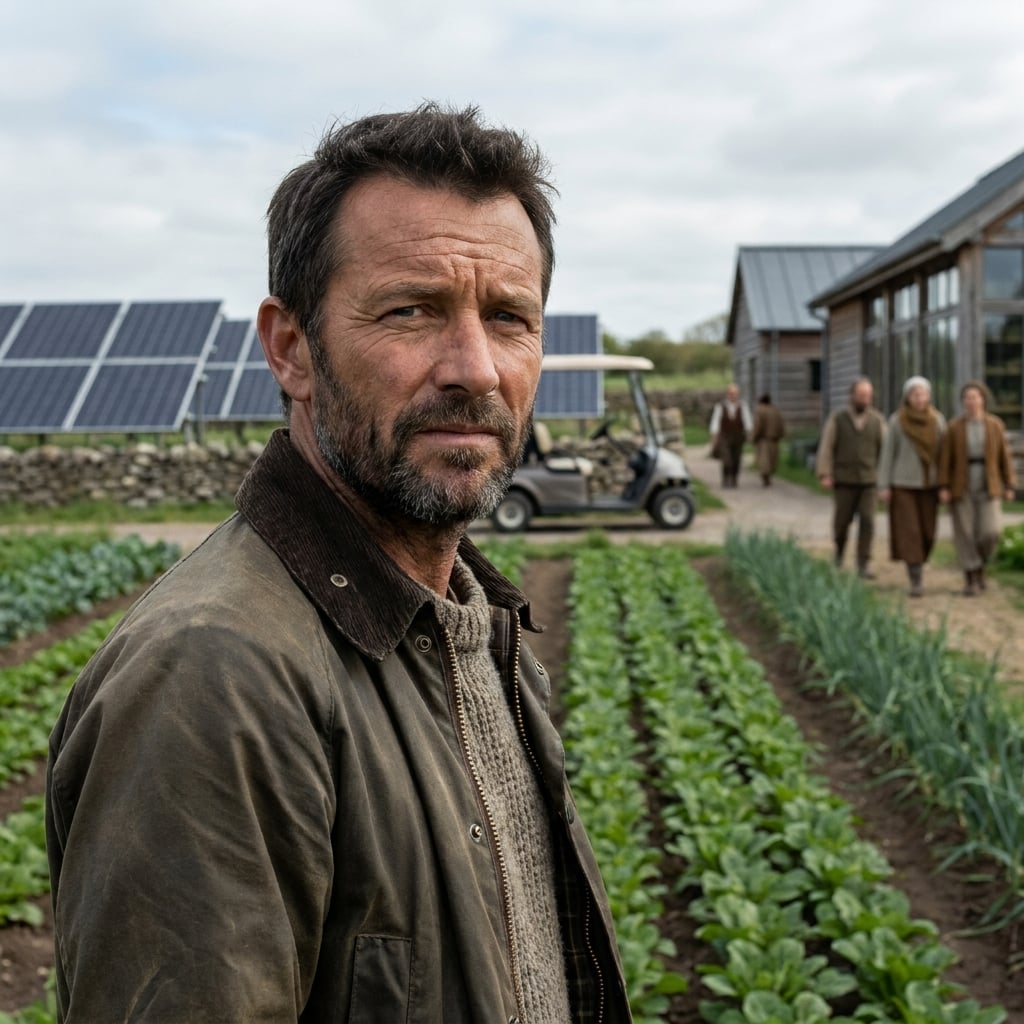
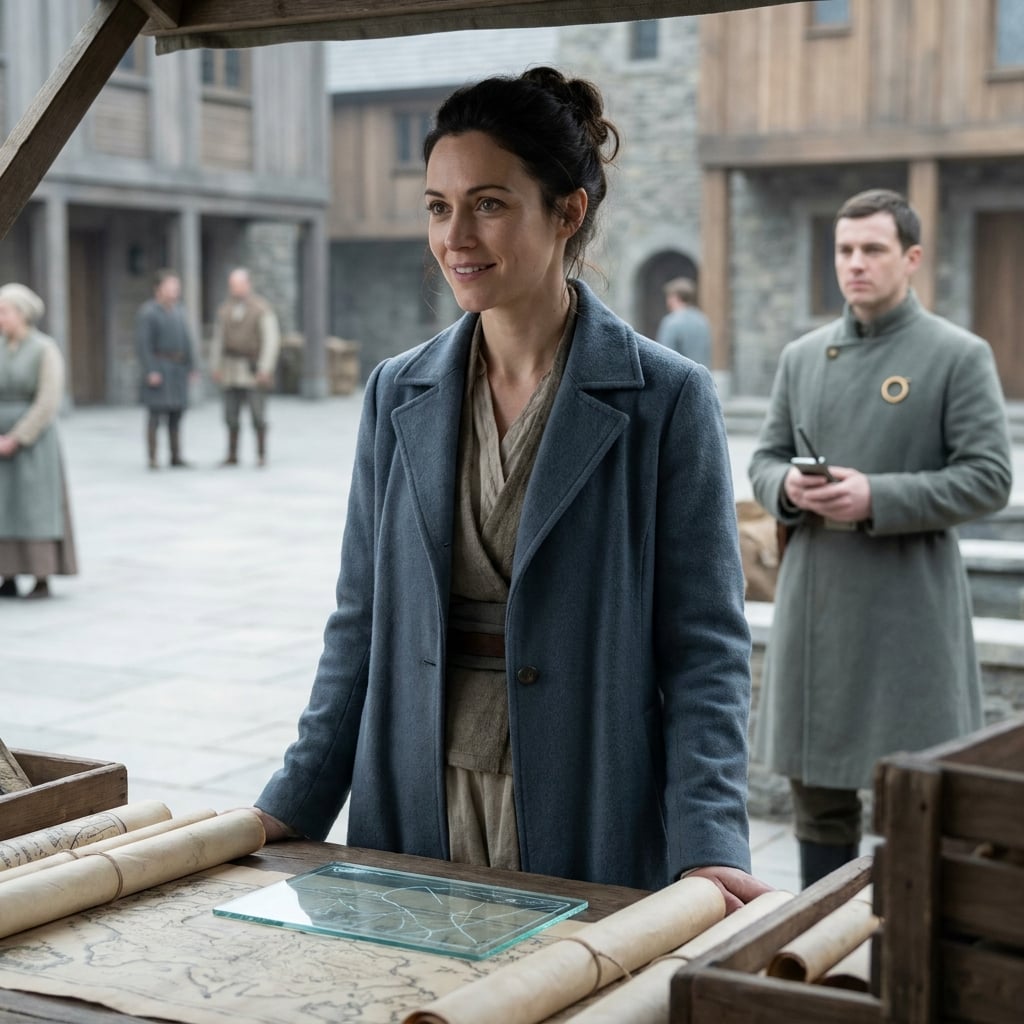
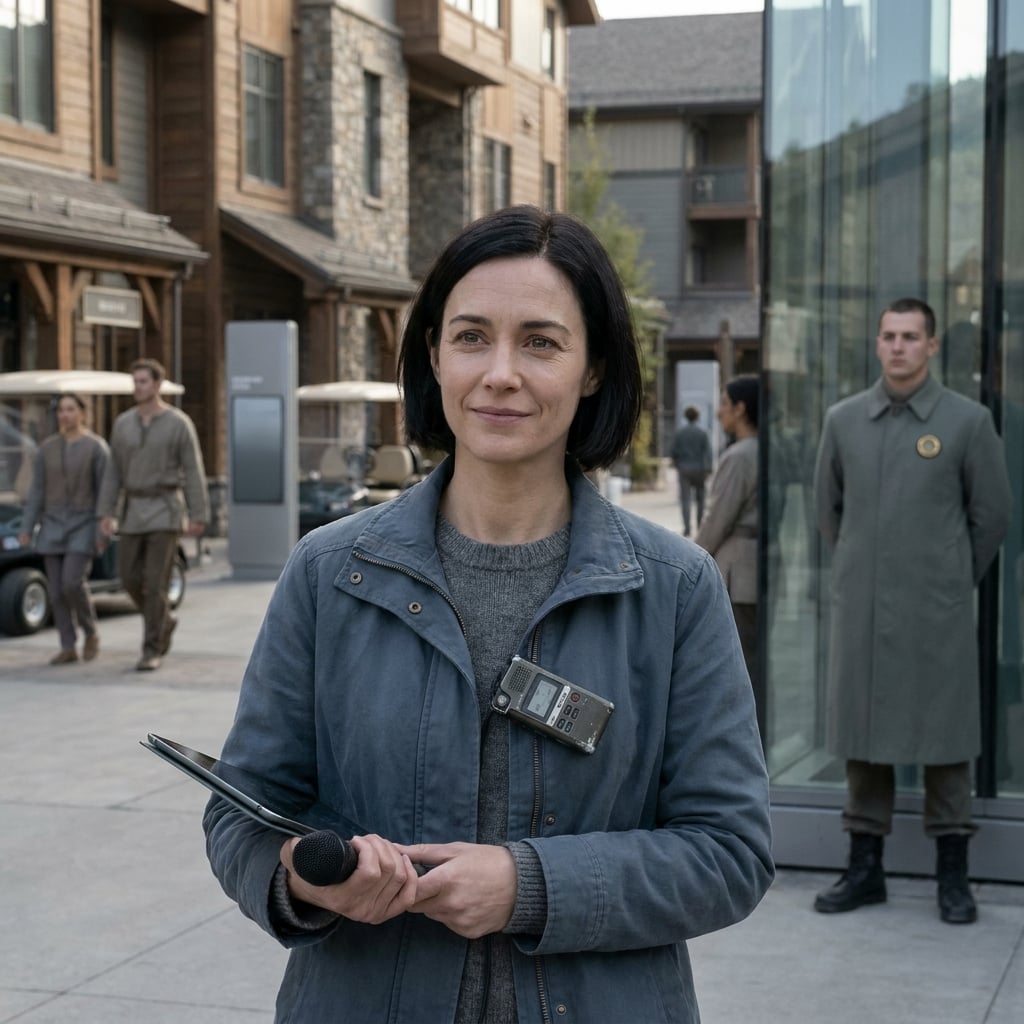
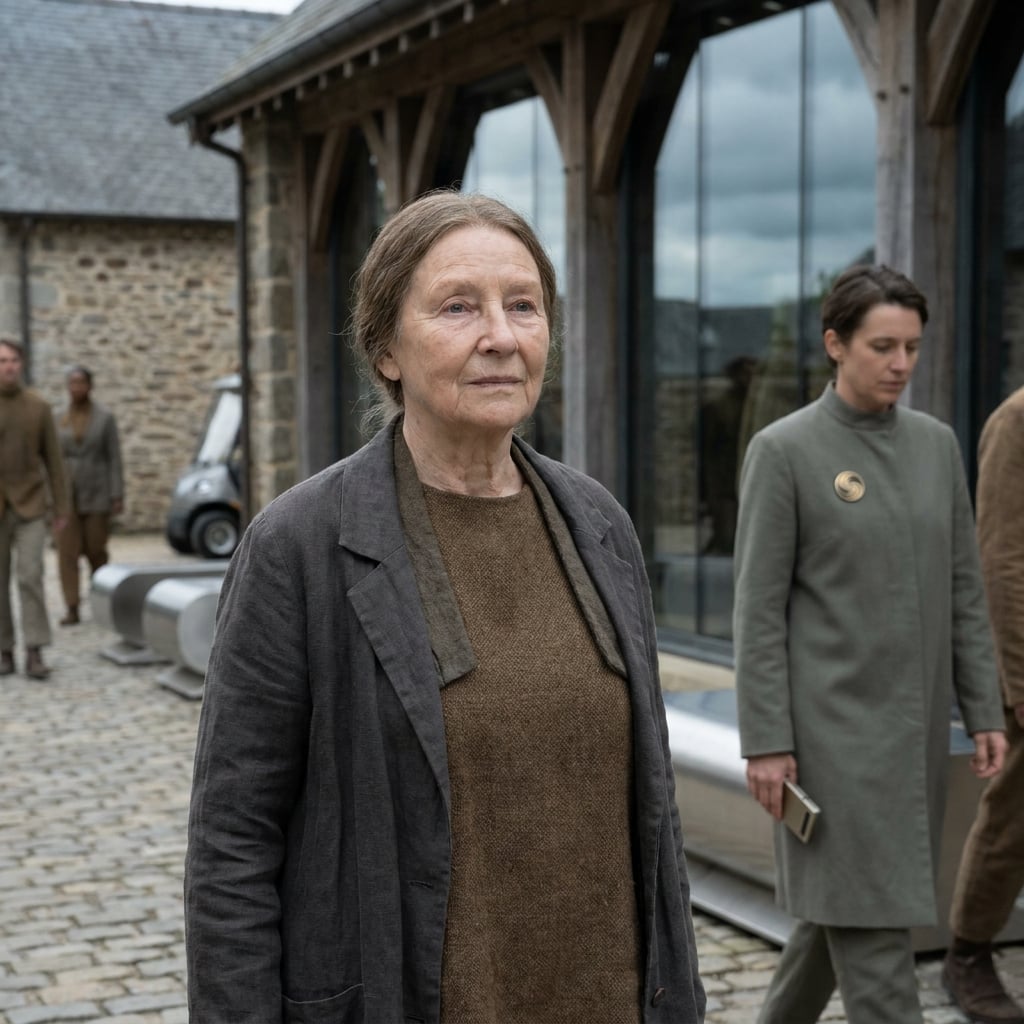
Everyone else in town
Adah Gefen the childAdah Kfir the childAvner Gefen the childBatsheva Gefen the childBatsheva Golan the childBatsheva Kfir the childBatsheva Segal the childBenaiah Navon the childBenaiah Segal the bakerBoaz Erez the childCaleb Erez the childCarmel Gefen the childCarmel Nir the childDevorah Segal the childDevorah Zohar the childDinah Eshel the childDinah Kedem the potterEfrat Segal the childElam Gefen the childElam Segal the teacherEli Gefen the childEli Segal the childEliana Nir the childEliana Segal the shopkeeperElisheva Erez the childEzra Ben-Ami the teacherEzra Ofer the childEzra Peretz the bookkeeperEzra Sharon the childGad Ofer the childGideon Zohar the librarianGilead Erez the childGilead Meron the librarianGilead Raz the surveyorGilead Sharon the childHadassah Barak the power station engineerHadassah Dagan the bookkeeperHannah Barak the pharmacistHannah Kfir the childHezekiah Navon the orchard keeperHillel Barak the tailorHillel Kfir the childHosea Raz the orchard keeperIdit Ronen the bookkeeperIra Hadar the mechanicIra Yaron the cafe ownerIsaac Kfir the childItai Eshel the childItai Gilad the nurseItai Segal the childJael Kfir the childJael Nir the childJael Segal the childJael Yaron the cookJesse Kfir the childJesse Nir the childJethro Ronen the cafe ownerJoel Gefen the teacherJoel Nir the electricianJonah Sharon the childJudith Golan the electricianKenan Amir the shopkeeperKenan Gefen the childKenan Kfir the childKenan Ofer the administratorKinneret Gefen the childKinneret Sharon the quarry workerLeah Navon the carpenterLeah Segal the surveyorLevi Erez the nurseLior Shalev the welderMaayan Raz the childMalachi Gilad the childMalachi Ofer the nurseMalachi Zohar the childMeir Golan the electricianMeir Ronen the childMicah Kfir the childNaomi Dagan the welderNaomi Meron the nurseNaomi Meron the instrument makerNaomi Nir the childNaomi Raz the childNathan Kedem the surveyorNathan Raz the childNathan Sharon the childNitzan Gefen the childNitzan Navon the network technicianNitzan Segal the administratorNoam Elon the bookkeeperObed Golan the librarianObed Kfir the childObed Nir the electricianOphir Eshel the childOphir Segal the childOren Erez the administratorOren Erez the gardenerOren Kedem the gardenerOrpah Zohar the bakerPerez Erez the childPerez Eshel the welderPerez Navon the childPhineas Sharon the childPhineas Tamir the driverRachel Hadar the potterRachel Segal the childReuben Kfir the childRimon Gilad the mechanicRimon Kfir the childRimon Ofer the carpenterRina Kfir the childRina Segal the childRivka Gilad the administratorRivka Sharon the potterRonen Eshel the childRuth Peretz the farmerSamuel Segal the childSeth Nir the carpenterShai Ofer the librarianShem Amir the plumberShiloh Segal the childShira Barak the childShira Navon the childShira Nir the childSimeon Dagan the shopkeeperTalia Navon the childTalia Sharon the childTamar Kfir the network technicianTamar Lavi the network technicianTamar Raz the plumberTirzah Eshel the childTirzah Peretz the shopkeeperTobiah Sharon the surveyorUriel Eshel the plumberUriel Gefen the cafe ownerUriel Segal the childUzziah Kfir the childUzziah Peretz the electricianYael Eshel the tailorYael Gilad the cookYael Kfir the childYael Sharon the childYarden Eshel the surveyorYarden Segal the childYonah Ben-Ami the nurseYonah Dagan the tailorYonah Segal the gardenerYonah Sharon the childZev Eshel the pharmacistZev Gilad the bookkeeperZev Ronen the childZipporah Kfir the child
Where they are
Every person in Neshiyah was born here, and nobody has ever left. On every side is a fog that no one has crossed. The town's leaders teach that the fog is the edge of the world, that Neshiyah is all there is, and that the guards keep order so that life can go on. Most people believe this, because it is what everyone has always said, and because the fields still need working whether it is true or not.
What nobody remembers
Here is what the townspeople do not know. Each of them agreed, before they were born, to come here and forget. The forgetting is not a punishment. It is the only way to have a real life: to love someone without knowing how it ends, to be brave when something is actually at stake, to be kind when nobody is keeping score. A person who remembered everything could feel none of that. So they drink from the Lethe of forgetting, and they are born small and afraid, and they live.
The forgetting is not perfect. When a person dies, one sentence from their last life comes back to the next one as a dream, in a voice like their own. Most people shake it off by breakfast. A few do not.
The one thing hidden from everyone, including you
Someone runs Neshiyah. Nobody inside can see who. There are three possibilities, and the game picks one at random and hides it until you press Reveal.
The first is the old story of Enoch: Neshiyah is a school. Whoever runs it wants the people to grow, and to eventually figure out where they are. So they left clues on purpose: a distance that measures differently going and coming, a seed carried out of the fog by a bird, a seventh stone where the records say six, a well that splashes a moment late. The clues turn up more for the curious, and they can be checked twice. Hardship is heavy here, but it teaches; a person who meets it with open eyes comes out bigger. And anyone who sits still by the Lethe long enough sometimes comes back quietly sure of two things: that this place was made on purpose, and that whoever made it is not against them.
The second is the story the Gnostics told: Neshiyah is a prison. Whoever runs it did not leave clues. The strange things that happen are glitches, random and meaningless. Hardship is heavier and teaches nothing. The river gives nothing back. The only honest feeling available is that you do not belong here.
The third is that nobody runs it at all. Just rules, and noise.
The people inside
The leaders keep the record and recite it; they do not argue, they repeat. The guards fine and sometimes beat anyone who measures the fog or talks about the seventh stone. The map sellers go from door to door selling proof of a city beyond the fog, and their maps are drawn on the leaders' own paper; a person who buys one is left trusting everything a little less, including what they saw with their own eyes. And then there are the ordinary people: curious or not, trusting or not, hot-tempered or not, inclined to sit still or not. Those temperaments survive death. Memories do not.
What waking up means here
Waking up is not leaving. There is no door; nobody in Neshiyah has ever walked out. Waking up is coming to believe, from what you have seen with your own eyes and felt in your own quiet, that Neshiyah was made on purpose. Then comes the harder part: deciding who made it. The ones who decide the maker is kind go on living in Neshiyah, working, marrying, burying their dead, but lightly, like people who know what the hardships are for. The game calls them the Awake. The ones who decide the maker is hostile go to war with the leaders and the guards and the fog. The game calls them the Rebels. Both groups have seen the same clues. They differ only in what they decided about the one who placed them.
What the game is measuring
Three things. Whether anyone wakes at all, and whether it spreads from one person to Neshiyah, or stays with a few. Whether the townspeople, using only what they can see from inside, can tell a school from a prison: the test is simple and old, and it is the one every tradition gives: look at the fruit. Do the strange things favor the people who look? Are the people who woke up and made peace with it happier than the ones who never asked? Are the ones who went to war worse off? If the answers are yes, it is a school, and you can say so without ever seeing who runs it. A prison and an empty town look the same from inside, and that is also part of the point. And finally, how much of what a person learns has to survive their death for the whole town to wake. Run it and you will find there is a threshold. Below it, the crowd holds everyone asleep. Above it, the same crowd wakes everyone within a few generations.
Why it is built this way
Because this is the question people have been asking about their own lives for as long as there have been people. Are we here by accident, in a cage, or in a school? Is the hardship for something? Is anyone on the other side of the quiet? Every religion and every spiritual path is an answer to that question, and most of them agree on more than they admit: that we forgot something on the way in, that the hard parts are not meaningless, that the way to find out is not to break out but to look at what is right in front of you and then sit still, and that the people who do wake up stay and help. The town is small enough to watch. The question is not.
What this is, plainly
Neshiyah is an experiment. The town is a program that runs by itself. The people in it have names, faces, tempers, and beliefs that change with what happens to them. They are born, they work, argue, fight, die, and are born again with their memories wiped and one sentence carried over as a dream. One of them keeps the record, and an AI writes his entries from what actually happened in the town that week. Nobody tells it what to say. Who runs the town is decided at random when it is founded and is hidden from the people, from the writer, and from you. The question is whether the people inside can figure out where they are, and what they do about it. You can watch the town live.